

The fitness world in 2026 isn’t just about lifting heavier weights or running faster miles—it’s...
Read MoreCrossFit has evolved a lot over the past two decades, and 2026 is shaping up to be one of its most accessible years yet — more beginner-friendly programming, smarter scaling options, and a bigger focus on longevity training alongside raw performance. Whether you’re stepping into a box for the first time or looking to sharpen your approach, here’s your complete guide.
What Is CrossFit, Really?
CrossFit is a strength and conditioning program built around constantly varied, functional movements performed at high intensity. Instead of isolating muscle groups like traditional bodybuilding, CrossFit blends elements of weightlifting, gymnastics, and cardiovascular training into a single workout — often called a WOD (Workout of the Day).
The idea is simple: prepare your body for anything life throws at you, not just one specific sport or goal.
Why CrossFit Is Still Thriving in 2026
- Community-driven fitness. Boxes (CrossFit gyms) are built around group classes, which means built-in accountability and camaraderie — something solo gym-goers often miss.
- Scalable for every level. Every workout can be scaled up or down, so a first-timer and a competitive athlete can do the same class side by side.
- Data and wearables integration. More boxes are now pairing WODs with heart-rate tracking, recovery scores, and app-based progress logs to keep members accountable between sessions.
- Longevity focus. There’s a growing shift toward “fitness for life” — mobility work, joint health, and injury prevention are getting as much attention as PRs (personal records).
Core Components of a CrossFit Program
- Weightlifting — squats, deadlifts, cleans, snatches, and presses build raw strength.
- Gymnastics — pull-ups, handstands, rope climbs, and muscle-ups build bodyweight control.
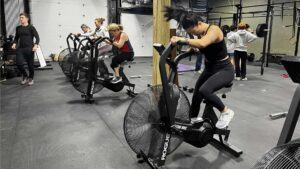
- Metabolic Conditioning (MetCon) — high-intensity intervals using rowing, running, biking, and more to build endurance.
- Mobility & Recovery — increasingly built into programming rather than treated as an afterthought.
Getting Started: A Beginner’s Roadmap
1. Start with a Foundations or Onramp Program
Most boxes offer a multi-session onboarding course covering the basic lifts, proper form, and gym etiquette before you join regular classes. Don’t skip this — it’s the difference between building good habits and building bad ones.
2. Learn to Scale, Not Skip
Every workout can be modified. If a WOD calls for pull-ups you can’t do yet, your coach will scale it to banded pull-ups or ring rows. Scaling isn’t a shortcut — it’s how you build toward the full movement safely.
3. Prioritize Technique Over Weight
Especially in your first 90 days, focus on movement quality. Adding weight to a poor squat pattern is how injuries happen. A good coach will hold you back from loading up too soon — trust that process.
4. Set a Realistic Weekly Schedule
Most beginners do well with 3 classes per week, building to 4–5 as conditioning improves. Recovery days matter as much as training days.
Sample Beginner Week
| Day | Focus |
|---|---|
| Monday | Strength (squat or deadlift focus) + short MetCon |
| Tuesday | Rest or light mobility work |
| Wednesday | Gymnastics skill work + MetCon |
| Thursday | Rest or active recovery (walk, swim, easy bike) |
| Friday | Full WOD (strength + conditioning combo) |
| Saturday | Optional partner/team WOD |
| Sunday | Rest |
Nutrition Basics for CrossFit Athletes
You don’t need a complicated diet to perform well in CrossFit, but a few basics go a long way:
- Protein first. Aim for adequate protein intake at each meal to support muscle recovery — a common target is around 0.7–1g per pound of bodyweight, adjusted to your goals and coach or dietitian’s guidance.
- Fuel around training. A balanced meal with carbs and protein 1–2 hours before class helps performance; a post-WOD meal within a couple of hours supports recovery.
- Hydration matters more than people think, especially with high-intensity interval formats that spike heart rate quickly.
Common Beginner Mistakes to Avoid
- Going too heavy, too soon. Ego lifting is the fastest way to get hurt.
- Skipping the warm-up. CrossFit warm-ups are part of the workout, not optional preamble.
- Comparing your Day 1 to someone else’s Year 3. Everyone scales differently — focus on your own progress.
- Ignoring rest days. More isn’t always better; recovery is where adaptation actually happens.
What to Look for in a CrossFit Box
- Certified coaches who actively correct form during class, not just call out reps
- Clear onboarding/foundations program for new members
- Reasonable class sizes so coaches can actually watch everyone
- A culture that celebrates all fitness levels, not just the fastest times on the board
Final Thoughts
CrossFit in 2026 is more welcoming to beginners than it’s ever been, with better scaling, smarter programming, and a real emphasis on sustainable, long-term fitness rather than just chasing PRs. The best way to start is simple: find a box with a solid onboarding program, show up consistently, and trust the process of building strength and skill over time.
Ready to try your first class? Most boxes offer a free intro session or consultation — it’s the easiest way to see if the community and coaching style are the right fit for you.