

Punching a bag doesn’t feel like exercise — it feels like therapy that happens to...
Read MorePunching a bag doesn’t feel like exercise — it feels like therapy that happens to torch calories. That’s probably why cardio striking and kickboxing keep climbing the list of the most popular group fitness formats, drawing everyone from total beginners to former competitive athletes back onto the mats and into the gloves.
If you’ve been curious about trying a class, or you’re already hooked and want to train smarter this year, here’s everything you need to know.
What Is Cardio Striking, Exactly?
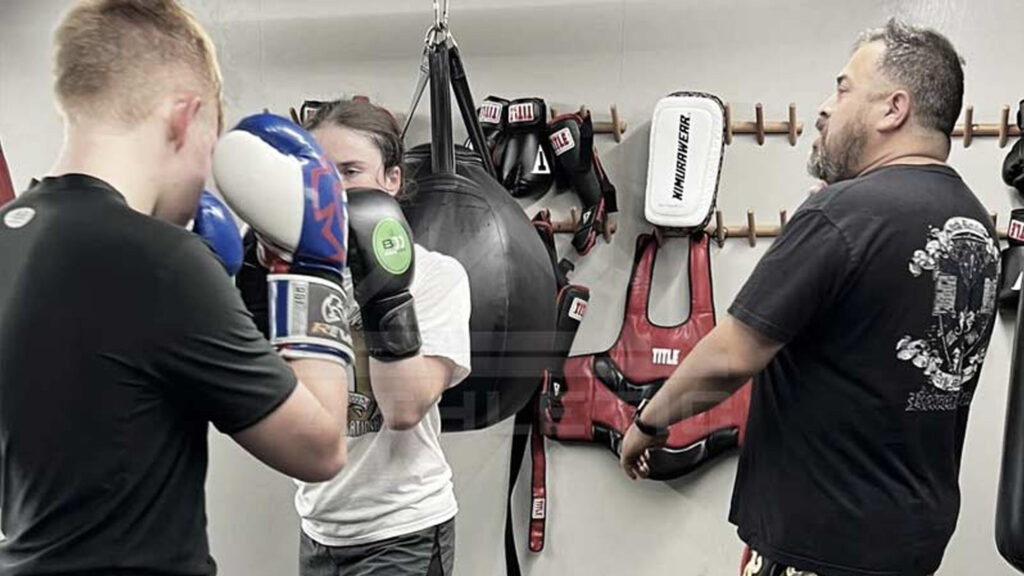
Cardio striking (sometimes called cardio kickboxing) takes the punches, kicks, knees, and footwork of combat sports and strips out the sparring. There’s no opponent hitting back — just you, a bag or pads, and a coach calling combinations. It borrows its structure from boxing, Muay Thai, and kickboxing, but the goal is conditioning and skill-building rather than competition.
Traditional kickboxing classes sit one step closer to the sport itself, often including partner drills, pad work, and light technical sparring. Both formats blend martial arts mechanics with cardiovascular training, which is exactly what makes them so effective.
Why It’s Having a Moment in 2026
A few things are converging to push striking-based workouts into the mainstream this year:
It solves workout boredom. Traditional cardio — running, cycling, the elliptical — plateaus because your body adapts to the same repetitive motion. Striking classes constantly vary combinations, tempo, and footwork, which keeps both your body and your brain engaged.
It’s genuinely efficient. A 45-minute class can combine cardiovascular conditioning, strength work, and core training in one session, which appeals to anyone trying to get a complete workout without stacking multiple gym visits.
It’s an outlet, not just a workout. There’s a stress-relief component that’s hard to replicate elsewhere. Striking a bag gives you somewhere to put nervous energy, and the endorphin response after a hard round is real.
The data backs it up. Research on kickboxing training has shown measurable improvements in aerobic capacity, anaerobic power, and agility after just a few weeks of consistent sessions — not just anecdotal “I feel great” results, but actual gains in VO2 max and short-burst power output.
Personalization is finally catching up. 2026’s broader fitness trend — wearables and AI-driven coaching apps adjusting your training load based on sleep, recovery, and heart rate variability — is starting to show up in striking programs too, with some studios using heart-rate-based scoring on the bag.
The Real Benefits
- Cardiovascular health — sustained heart-rate elevation improves stamina, circulation, and long-term heart health.
- Full-body strength — punches and kicks activate the arms, legs, and core simultaneously, especially when performed with proper hip rotation and footwork.
- Coordination and balance — chaining combinations together trains your brain and body to communicate faster, which pays off in everyday movement and injury prevention.
- Functional power — kickboxing trains explosive power (force + speed), which is a different quality than raw strength and is closely tied to fall prevention and mobility as people age.
- Mental health — the combination of physical exertion and focus required to execute technique gives your mind a genuine break from daily stress.
Getting Started: What to Expect
A typical class structure looks something like this:
- Warm-up (5–10 min) — light cardio, dynamic stretching, shadowboxing to raise heart rate and rehearse technique without contact.
- Technique block — the coach breaks down that day’s combinations (e.g., jab-cross-hook-roundhouse) so everyone drills the movement pattern before adding intensity.
- Rounds — typically 2–3 minute rounds on a bag or pads, with 30–60 seconds rest between, mimicking real combat sport pacing.
- Conditioning finisher — bodyweight strength or core work to close out the session.
- Cool-down — stretching and breathing work to bring the heart rate back down.
Tips for beginners
- Ease in gradually. The dynamic, full-body nature of striking can strain the back, knees, hips, or shoulders if your form isn’t right early on — don’t be afraid to ask a coach to check your stance.
- Wrap your hands. Hand wraps protect your wrists and knuckles even in classes that don’t include heavy bag contact.
- Footwork matters more than power. Beginners tend to focus on how hard they’re hitting; coaches will tell you the real skill (and injury prevention) is in the footwork and hip rotation.
- You don’t need to spar to benefit. Cardio-only classes deliver the majority of the fitness benefits without any contact component, which makes this an accessible entry point for people who aren’t interested in the combat sport side.
Cardio Striking vs. Traditional Cardio: How It Stacks Up
| Cardio Striking | Running/Cycling | |
|---|---|---|
| Calorie burn | High (comparable to swimming, 8+ cal/min) | High, but plateaus with repetition |
| Muscle engagement | Full body (arms, legs, core) | Mostly lower body |
| Skill development | Yes — technique compounds over time | Minimal |
| Injury risk (if untrained) | Moderate — form matters | Lower, but repetitive-use injuries common |
| Mental engagement | High — constant combinations | Can become monotonous |
Who Should Try It
Striking-based training isn’t just for people chasing a six-pack. Coaches increasingly recommend it for:
- Beginners looking for a fun, non-intimidating entry into fitness
- Busy professionals who want a complete workout in one session
- Older adults — power-based training (not just strength) is one of the better predictors of mobility and fall-prevention, and kickboxing builds exactly that kind of explosive, coordinated movement
- Anyone managing stress who wants a physical outlet built into their routine
As always, if you have joint issues, a prior injury, or any mobility limitations, loop in a coach or physical therapist before diving into full-intensity classes — a good program will scale to meet you where you are.
The Bottom Line
Cardio striking and kickboxing earn their spot in the 2026 fitness conversation because they check almost every box: cardiovascular conditioning, strength, coordination, stress relief, and a workout format that’s actually enjoyable enough to stick with. Whether you’re chasing weight-loss goals, building functional power, or just looking for a workout that doesn’t feel like a chore, throwing a few punches might be exactly the change your routine needs.
Ready to strap on the gloves? Find a class near you, wrap your hands, and start with the basics — the technique will come, and the results follow close behind.